When lockdown hit in early 2020, an eerie silence settled over the music world that none of us had experienced before. Studios that once hummed with restless creativity fell still, and the familiar rumble of vans on motorways gave way to empty calendars and quiet, unlit stages. Across the United Kingdom musicians, managers and crews found themselves caught between frustration and reflection as their lives, normally driven by movement and noise, slowed to an unnatural crawl. It was a strange stillness that seemed to swallow even the most resilient spirits, turning every day into a long stretch of waiting.
Among those navigating this disorienting new landscape was Richie Muir, an Edinburgh born singer and guitarist who had built his musical life in Nottingham. Above everything else Richie carried a lifelong love for the music of Runrig, a love shaped by years of listening, playing and searching for meaning in the soaring melodies and grounded storytelling that defined the band. In the solitude of lockdown his living room became both sanctuary and stage, a place where the quiet allowed him to reconnect with the songs that had shaped him from his earliest days.
Compelled by a sense of longing as much as creativity Richie began posting acoustic covers of Runrig’s music on a small Facebook page. With each upload the sound of his guitar reverberated through the stillness of the world outside. Fans scattered across the country began to respond, drawn to the warmth in his voice and the sincerity in his playing. What began as a simple musical outlet soon gathered momentum and before long conversations began between Richie and manager Ben Marshall about what could grow from this unexpected spark.
The idea that took shape was simple but powerful. They would create a live show that honoured Runrig’s music without trying to replicate the original band. It would be a celebration rather than an imitation, a space where fans could gather to sing, dance and relive memories tied to songs that had shaped their lives. The aim was authenticity in spirit rather than costume, a show that acknowledged the vast emotional landscape carved out by Runrig without attempting to replace the space they had once occupied.
The sense of mission that grew from those early conversations carried a quiet intensity. It felt less like a project and more like a responsibility to honour something that had mattered deeply to so many people.
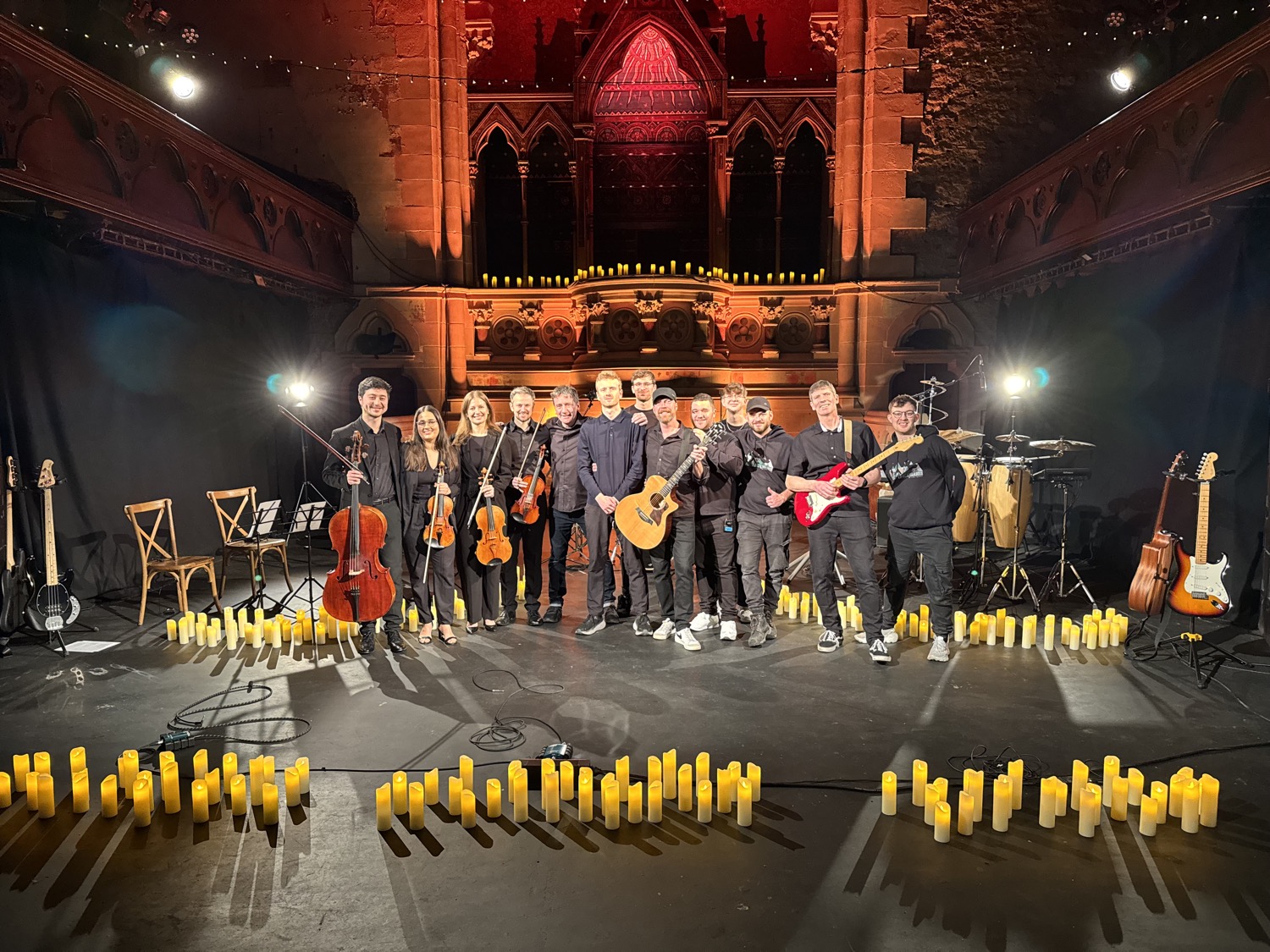
As the idea evolved the search for musicians began. Piece by piece the lineup formed, shaped by talent, shared passion and the strange camaraderie that emerged from crafting music in a world held apart by restrictions. First came Duncan MacDonald, a Skye native whose steady presence and instinctive feel for the rhythm of Runrig’s music made him an anchor within the developing group. Alongside him was his son Scott, a London based Glaswegian drummer whose precise playing and bright energy cut through the monotony of lockdown life.
Their sound deepened with the addition of guitarist Jason Laing from the Isle of Lewis whose flair, tone and instinctive musical sensitivity brought an unmistakable island influence to the band. When the final role of keyboard player was filled rehearsals could finally begin even though the members remained scattered across different cities. Only the position of percussionist remained open with temporary players stepping in to honour the distinctive rhythmic layer once crafted by Runrig’s own Calum MacDonald.
Technology bridged the divide as Zoom rehearsals became a regular ritual. Laptops perched on kitchen tables and desks flickered with grids of faces while music threaded itself through the small delays and digital distortion of online calls. It was unconventional but strangely intimate. Cups of tea steamed beside microphones, riffs were tested across patchy WiFi and laughter often erupted as timing drifted or screens froze mid chorus. Yet something meaningful was building. Every rehearsal carried a hint of the excitement that comes from sensing the beginnings of something larger.
Twelve months later restrictions eased enough for plans to move into the real world. The band stepped out from their remote rehearsals and into the open air of the Isle of Skye for their first shows. The rugged landscape and the emotional weight of performing Runrig’s music in a place so closely tied to its origins brought a sense of grounding. The audience response was immediate and overwhelming. It was in those first nights on Skye that everyone realised they had created something that resonated far beyond their expectations.
From those beginnings the band set out across the United Kingdom playing in small venues where the connection between performer and audience felt almost electric. Word spread quickly and demand grew with every show. What had begun as a hopeful idea was now unfolding into a fully realised touring project capturing hearts in town after town. The momentum continued to build until an unexpected recommendation arrived from Runrig’s original lead singer Donnie Munro encouraging them to reach out to Hypertension Music in Germany.
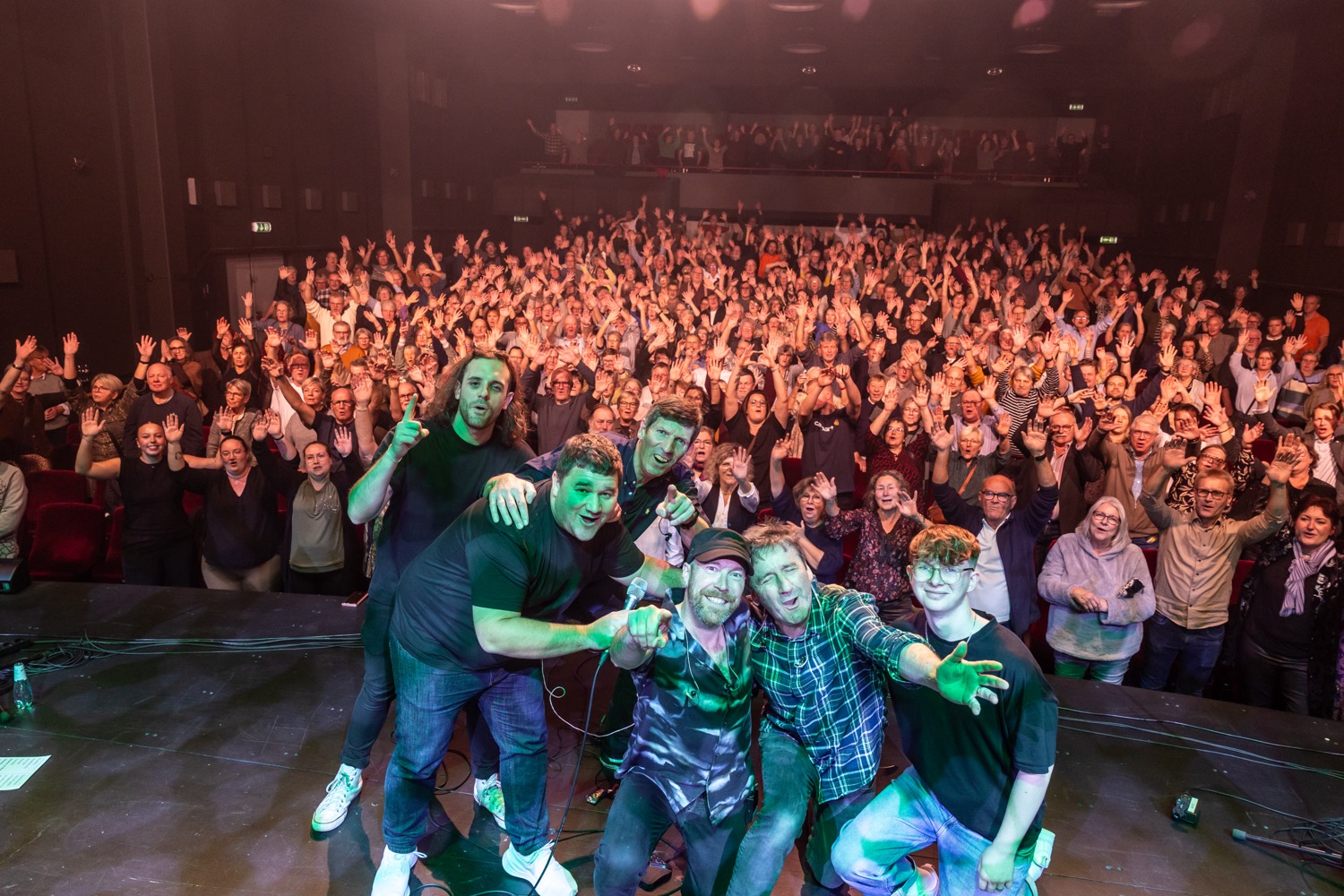
Germany held one of the strongest Runrig fanbases anywhere in the world and the partnership that formed with Hypertension opened the door to a new chapter. Soon the band was travelling across Europe playing two tours each year and building a following that mirrored the warmth and passion they had found in the United Kingdom. Nearly one hundred shows would eventually be played across Germany and Denmark each carrying the same sense of shared memory and renewed life that had defined their earliest performances.
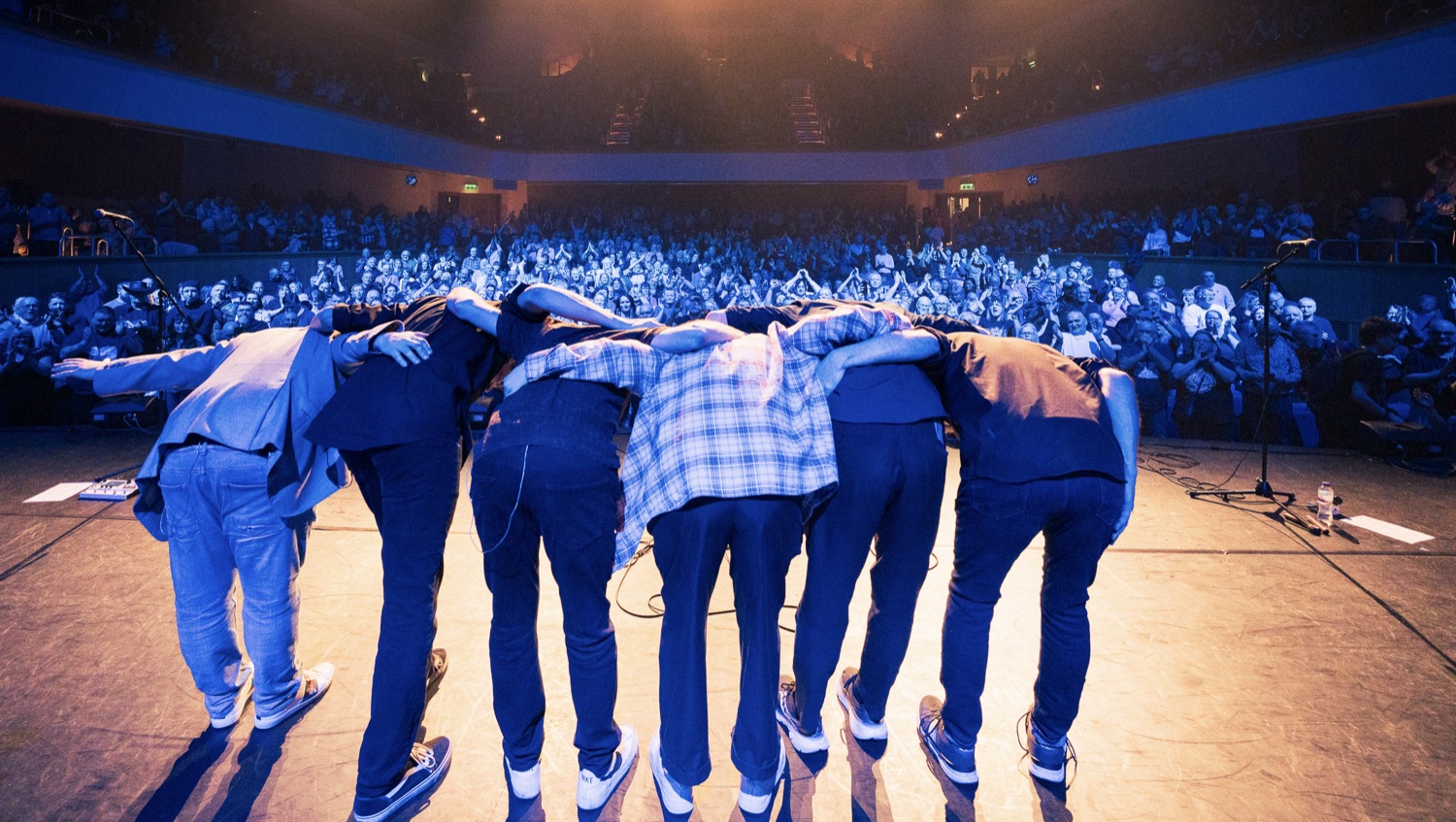
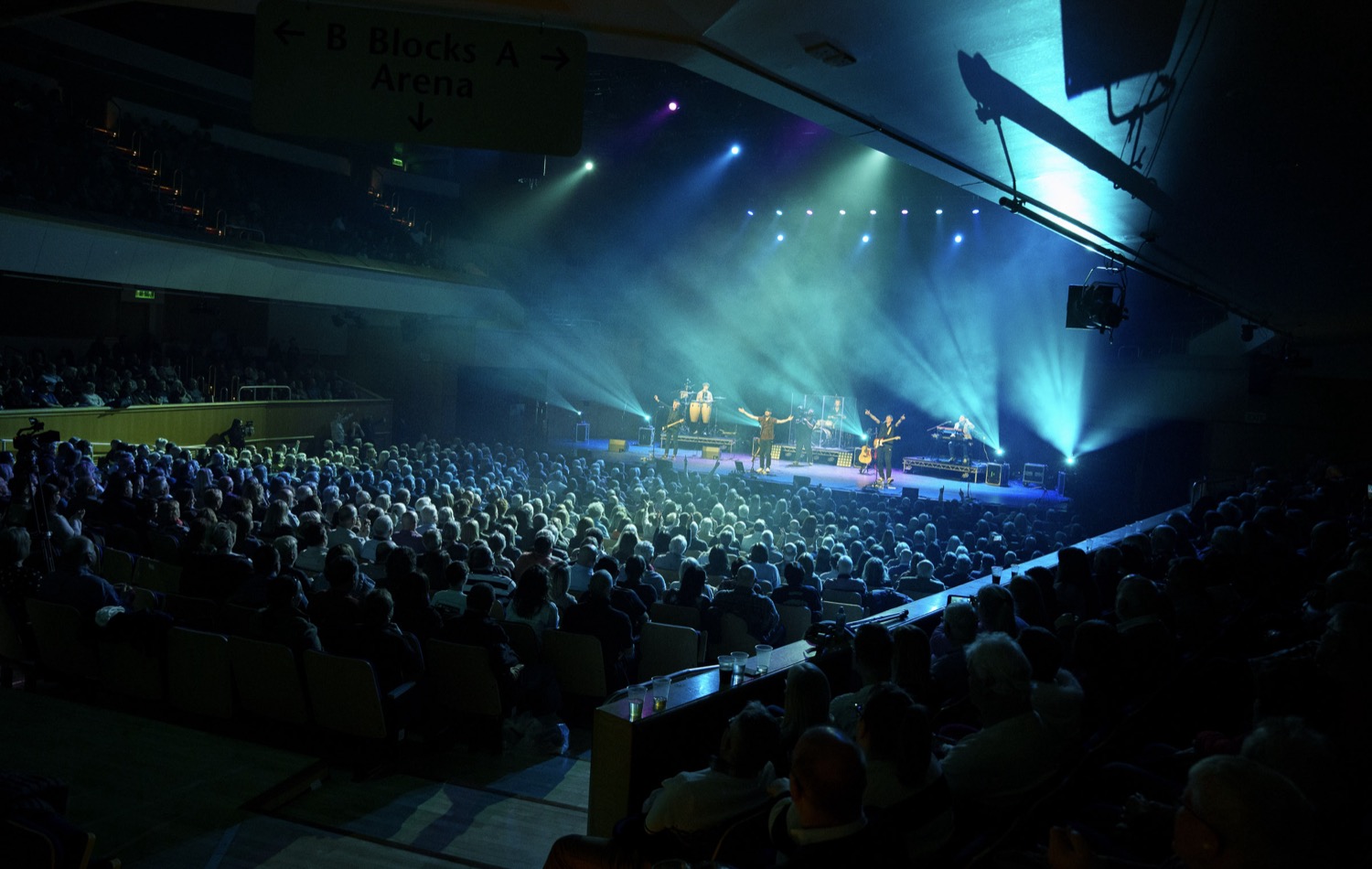
A major milestone arrived when the BBC joined the band on tour capturing their journey in the lead up to their biggest headline show at the Glasgow Royal Concert Hall. The sold out performance became a defining moment not only for the band but for the thousands who gathered to hear music they loved brought back to life with honesty and joy. The resulting feature would later be made available on the BBC iPlayer preserving a chapter of the band’s story for anyone who wished to witness it.
As the years progressed the band continued to expand their reach performing for audiences of all ages and backgrounds. 2025 became their busiest year yet with more than fifty shows across the continent and new creative projects taking shape for release in the years ahead. Each performance reinforced the purpose that had guided them from the start. These songs were meant to be heard live and shared in community. They were meant to be sung by voices joined together in celebration remembrance and hope.
For Ben & Richie the success of the project extended far beyond commercial achievement. It carried a personal significance rooted in the music that had shaped his own musical journey. Watching audiences light up as familiar melodies filled theatres and halls reminded him of the first time he had experienced the power of Runrig’s music. The sense of collective emotion, the unity of voices rising together and the memories etched into every lyric created a bond that transcended the stage.
As the band stepped into larger venues and broader opportunities they remained grounded in the principles that had shaped them. They did not claim to be Runrig nor did they seek to mimic the identity of the original band. Their role was simpler but no less meaningful. They saw themselves as caretakers of a musical legacy carrying the songs forward so they could continue to be heard in the way they were always intended. As long as audiences wished to gather and sing the band would continue to keep the music alive.
The journey also revealed something unexpected about the nature of musical legacy. As the band travelled from city to city they encountered countless fans whose stories echoed the emotional weight that Runrig’s music carried. People spoke of weddings and funerals, long drives through the Highlands, moments of heartbreak and moments of triumph, all tied to particular songs. Every conversation reinforced the idea that the music had become intertwined with the lives of those who loved it. Carrying that responsibility brought a sense of humility to the band’s work reminding them why authenticity mattered so deeply.
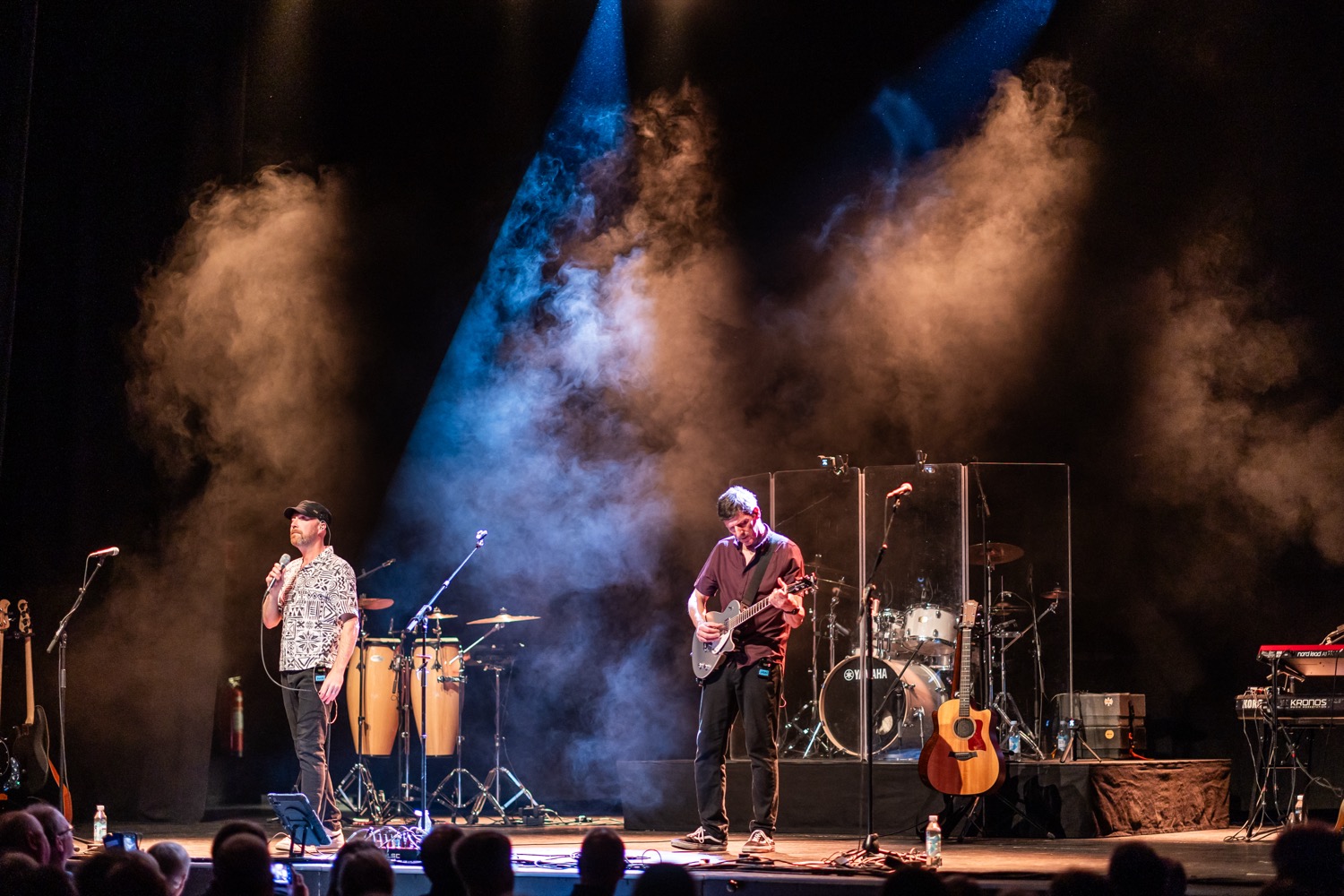
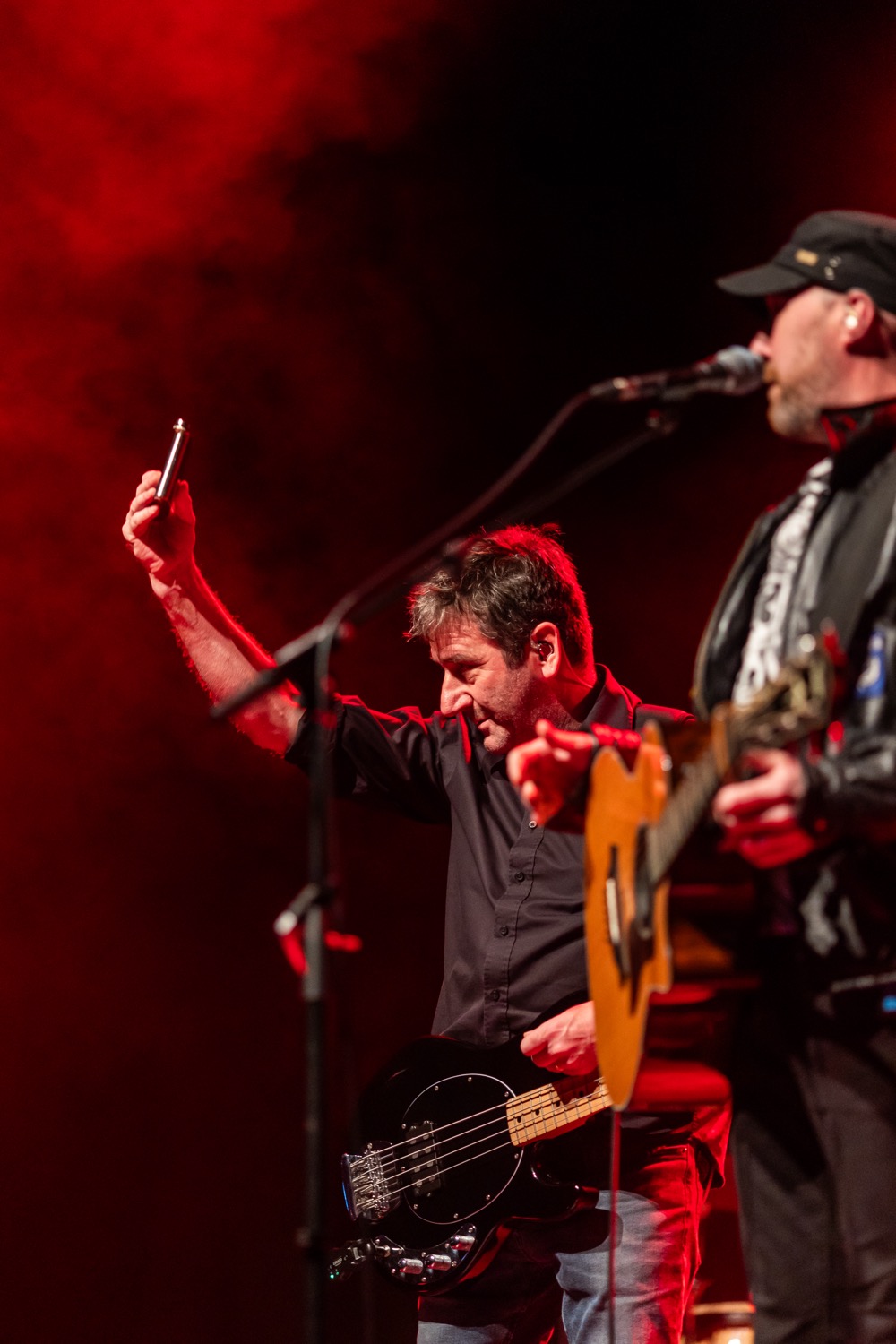
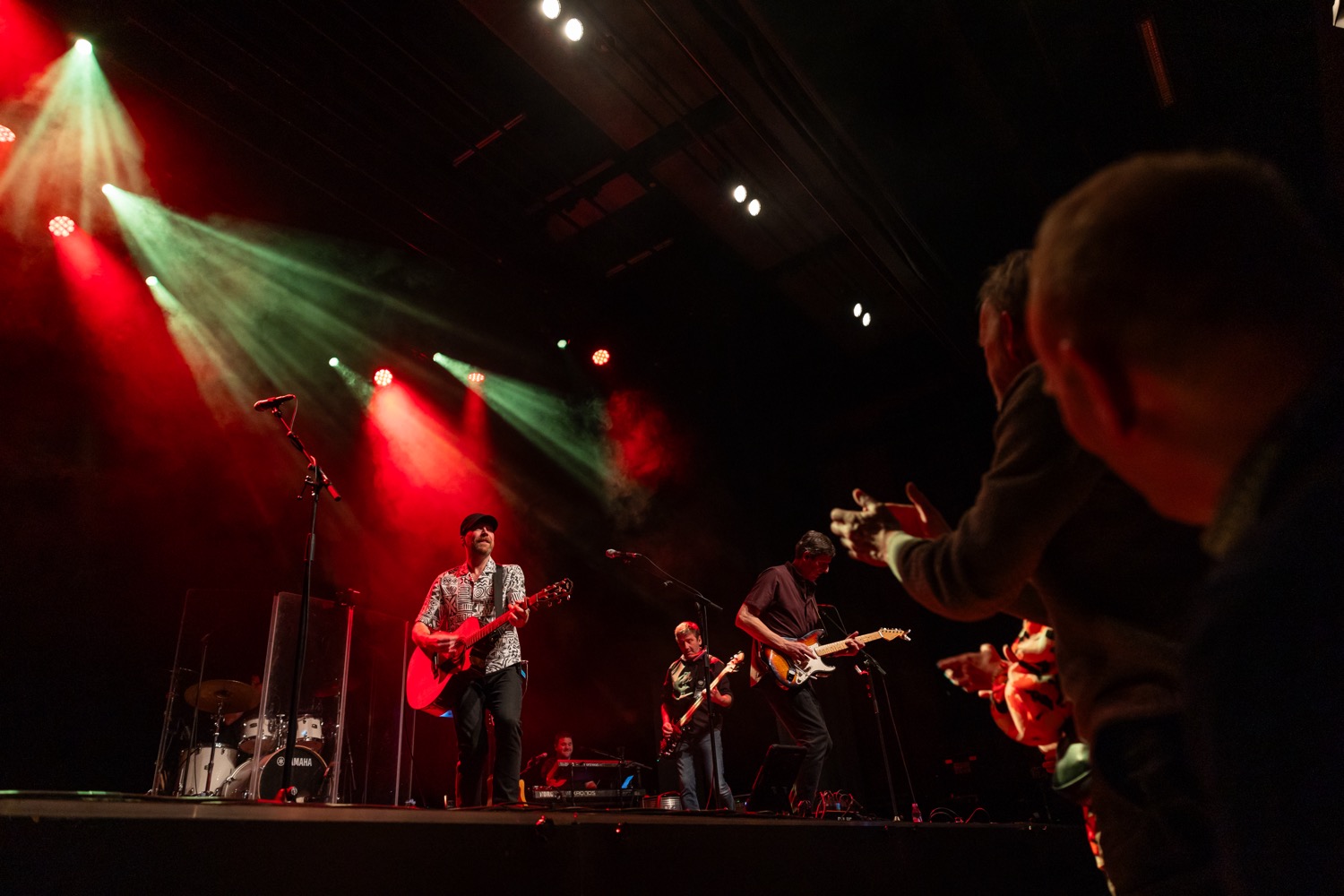
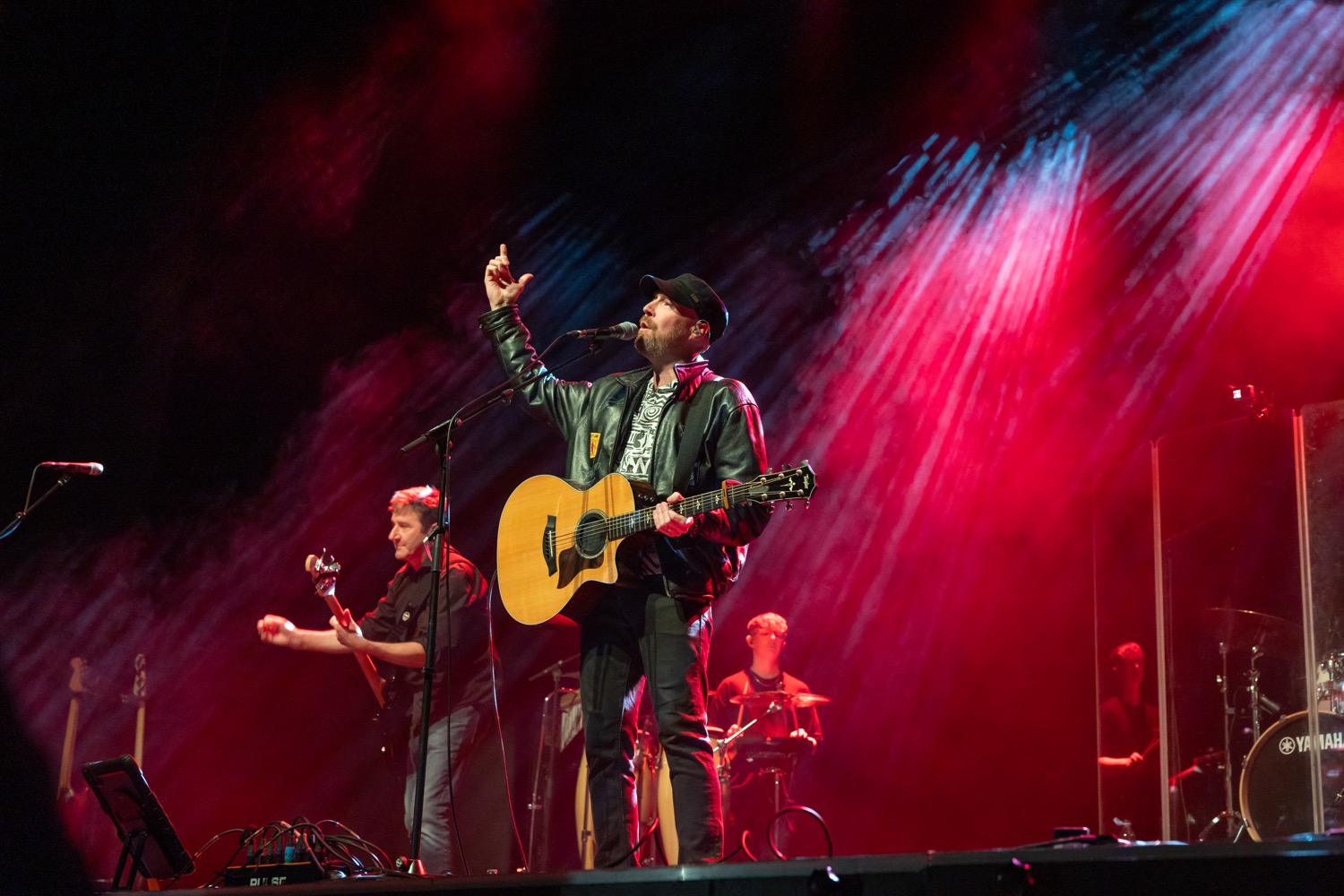
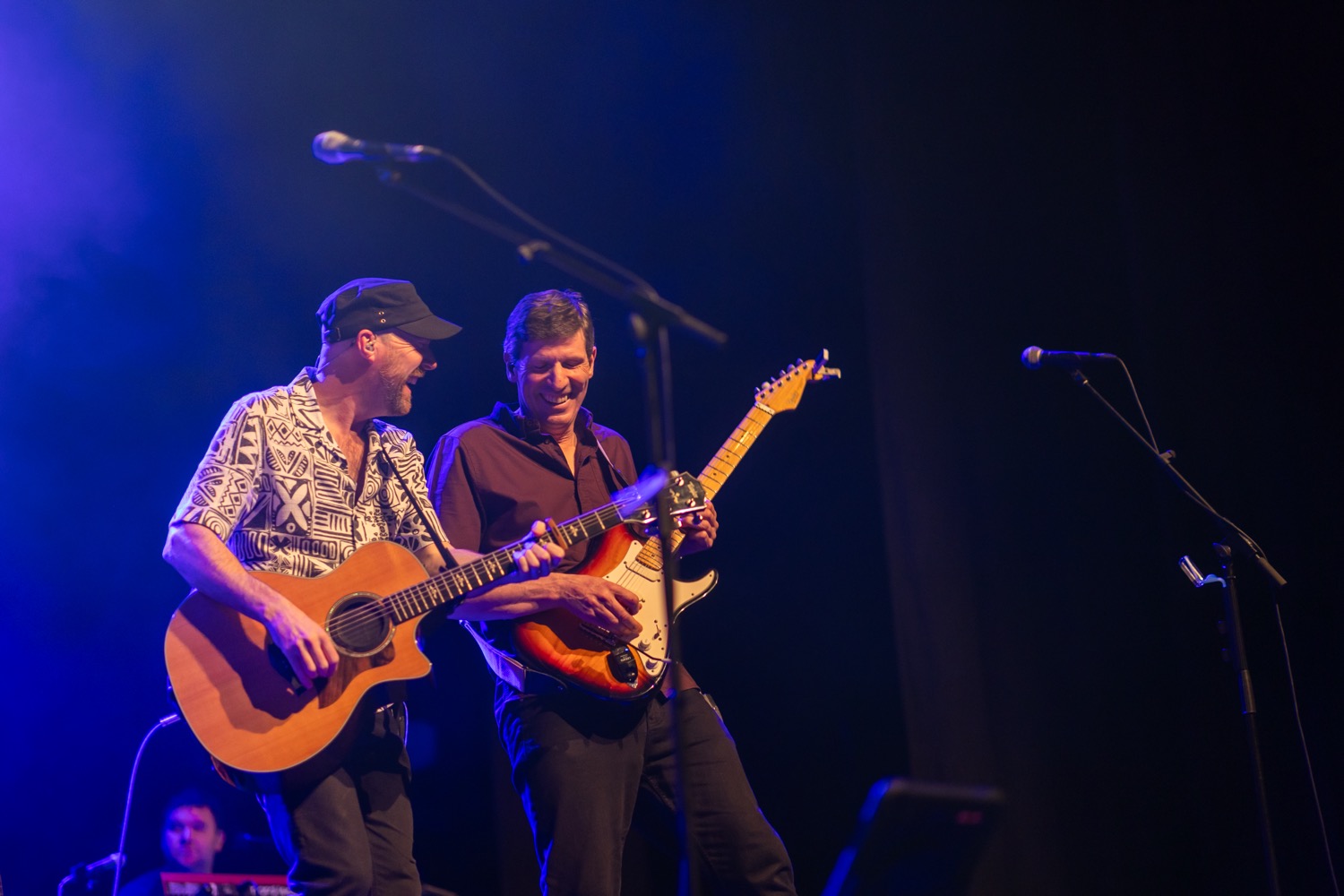
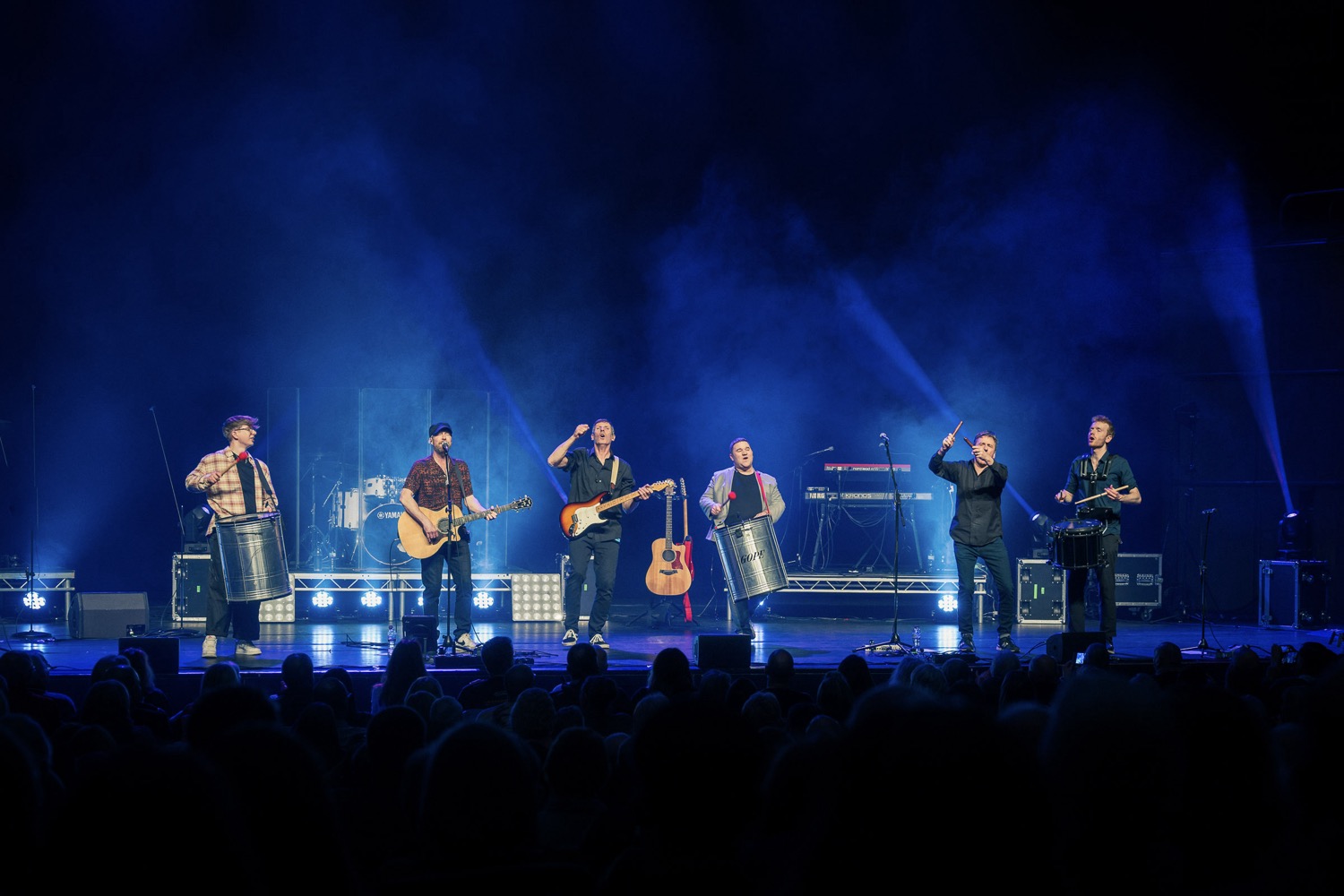
On stage the atmosphere often felt almost spiritual. The blend of guitars, keys and voices wrapped itself around each room with a power that seemed to pull the audience into a shared emotional space. Richie’s vocals carried both strength and tenderness, Duncan’s bass provided a steady grounding heartbeat and Scott’s drumming gave shape and movement to the entire sonic landscape. Jason’s guitar work added flashes of light and colour weaving between melodies with instinctive precision. Every show became a journey rather than a performance inviting audiences to step into something larger than the sum of its parts.
Off stage the camaraderie continued to grow. Long drives across motorways, ferry crossings, late night conversations in hotels and early morning coffees created a rhythm of life that shaped the bond between band members. The challenges of travel were balanced by moments of joy and reflection. They shared stories of their own musical beginnings, the influences that shaped them and the winding paths that had led them together. These conversations strengthened the foundation of trust that allowed them to play with such cohesion and emotional depth.
As demand grew discussions began about the future and the possibilities that lay ahead. New arrangements, expanded instrumentation and potential collaborations were explored as the band considered how to continue evolving without losing the essence of what made the project meaningful. The goal remained constant. They wanted to honour the heart of the music while allowing the show to grow in creative and dynamic ways that would keep audiences engaged and inspired.
Through all of this one truth became increasingly clear. The power of Runrig’s music had always come from its ability to speak to both the everyday and the extraordinary. It carried the weight of history, the pulse of landscape and the intimacy of personal experience. By carrying these songs onto stages across the continent the band were not only preserving a legacy. They were extending it. They were allowing it to breathe again in new rooms with new listeners creating a living thread that connected the past with the present.
Looking ahead to the coming years the band felt a sense of anticipation and gratitude. The new projects set for release in twenty twenty six and twenty twenty seven promised to deepen their creative reach and bring fresh energy to the journey. With every rehearsal and every performance they were reminded of why the project had begun in the first place. It was built on love for the music, respect for the legacy and a desire to share something meaningful with audiences who longed to hear these songs live once more.
As long as that desire remained the band would continue to step onto stages bringing the music of Runrig to life for all who wished to experience it. The journey that began in the quiet of lockdown had grown into something far greater than any of them could have imagined. It had become a testament to the enduring power of music, the resilience of community and the unshakeable belief that some songs are meant to be heard not only remembered.
Gallery